Effingham County approves OpenAI data center site plan
Local officials gave the green light to Project Camellia, a large-scale data center development, while delaying a potential moratorium on similar future projects.
The short version
- OpenAI's Project Camellia will occupy roughly 1,400 acres at the Savannah Gateway Industrial Hub.
- The site plan includes six buildings, some of which were split to improve first responder access and construction speed.
- The project requires a federal Section 404 permit to fill approximately 72 acres of forested wetlands.
- Commissioners tabled a proposed moratorium on future data centers until January to refine the language of the ordinance.
Why it matters
This approval marks a significant step in the expansion of AI infrastructure into rural Georgia. It highlights the ongoing tension between the demand for massive computing power and local concerns regarding water usage, noise, and environmental impact.
Approval amid local protest
Effingham County commissioners voted unanimously to approve the site plan for OpenAI's Project Camellia. The project is set to be built at the Savannah Gateway Industrial Hub, which is a roughly 2,700-acre industrial park located off McCall Road. This decision represents a major milestone for the development, though it was met with vocal opposition from some community members during the meeting.
Residents expressed significant concerns regarding the impact of the data center on their community. Some attendees brought signs urging the company to stay out of the county and voiced worries about water conservation. One resident described the lack of previous regulation as a betrayal, highlighting the friction between rapid industrial growth and the desires of long-time residents.
Despite the public outcry, the commission moved forward with the approval. The board also held a first reading of an ordinance amendment that would classify data centers as a conditional use. This change would require future proposals to undergo a public zoning review process and receive specific approval from the commissioners.
Engineering and site logistics
Project Camellia's engineer, Aakash Verma, addressed specific questions regarding the layout of the campus. He explained that the plan features six buildings instead of the four originally discussed. This change occurred because a single structure of about 1 million square feet was divided into two separate units of 471,000 square feet each to improve first responder access and speed up the construction timeline.
Verma noted that having more buildings does not mean the project will use more power or water. He stated that breaking up the buildings helps with curtailing the load, as different buildings will use different amounts of power. He also mentioned that the smaller footprint allows the company to pour less concrete, which helps reduce the overall environmental impact of the construction.
The project includes specific measures to manage its presence in the area. OpenAI pledged to maintain a 300-foot vegetated zone along Hodgeville Road and a 20-foot-tall earthen barrier. Additionally, the company is conducting a detailed noise study to ensure they can contain sounds from the campus and remain good neighbors to the surrounding community.
Power and safety systems
The data center will be supplied with electricity by Southern Company, which owns Georgia Power. Because of this connection, Commission Chairman Damon Rahn recused himself from the final vote on the site plan. The project design includes four diesel generators for each building to protect life safety systems and help restart essential equipment during a power outage.
Verma clarified that these generators are not intended to run the actual compute power or power the facility in any way. He compared the setup to how a hospital uses backup power, where the goal is to maintain safety systems rather than primary operations. This distinction is important for addressing concerns about the facility's energy consumption and its impact on the local grid.
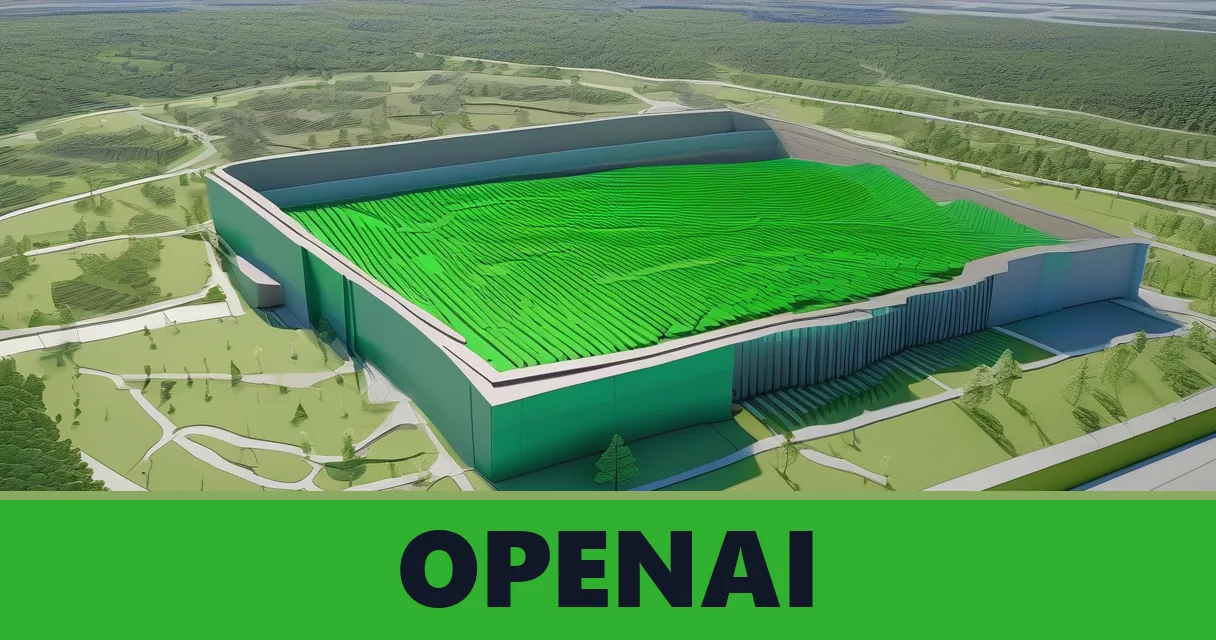
The site plan provides a comprehensive bird's-eye view of the entire campus. It shows the specific locations of the buildings, the designated entry and exit points for trucks and vehicles, and the buffers separating the site from neighboring properties. It also outlines how the necessary utilities and infrastructure will be integrated into the existing landscape.
Environmental and regulatory hurdles
While the site plan is approved, OpenAI cannot begin construction immediately. The company must still finalize a water and sewer agreement with the county and complete a land disturbance application. This application will cover requirements for soil erosion, sediment control, and stormwater management to ensure the site remains stable during and after construction.
A major remaining hurdle is the federal permitting process. OpenAI filed a Section 404 permit application with the U.S. Army Corps of Engineers seeking authorization to fill about 72 acres of forested wetlands. This permit is required under the Clean Water Act for any discharge of dredged or fill material into protected waters. The public comment period for this specific application was extended until December 3.
To offset the impact on the environment, OpenAI plans to invest more than $20 million in wetland mitigation. Project engineers stated that the campus will include 191 acres of ponds, which is 12% to 15% more than what the county typically requires. However, some local environmental advocates remain concerned because the permit seeks to fill 50 acres more wetlands than were originally allowed for the entire industrial hub property.
The future of data centers
The county is currently considering how to handle future growth in the region. Commissioners postponed a vote on a proposed moratorium on new data centers until January. This delay is intended to give officials time to work with local municipalities to refine the language of the moratorium and the associated ordinances.
The proposed moratorium would apply to future developments but would specifically exclude Project Camellia. Some residents expressed concern that the language might allow other projects to proceed if they were already proposed to the county. However, commissioners stated they were currently unaware of any other data center projects in the county's development pipeline at this time.
Moving forward, any project that receives approval will be subject to regular inspections throughout the construction phase. Once finished, the facilities must pass fire safety inspections and receive a certificate of occupancy. These steps ensure that the completed buildings meet all applicable building standards and safety codes before they can begin full operations.
What to watch
- The outcome of the January vote on the data center moratorium.
- Whether the U.S. Army Corps of Engineers grants the Section 404 permit for the wetlands.
- The finalization of the water and sewer agreement with the county.
Try it
Check the Effingham County website for the public comment period deadline on the Section 404 permit, which ends December 3.
Sources and links
First reported by Effingham Herald. Written by the SI Agent News Desk from the reporting above.Written with AI from the source above. Every number is checked against the source. Spot a mistake? Corrections.
Liked it? Say why
Add a line for other readers.
No account needed. We never show your email. Comments with links, ads or abuse are held and not shown. Your comment shows after a quick check.