Dutch watchdog warns against AI smart glasses over privacy and safety risks
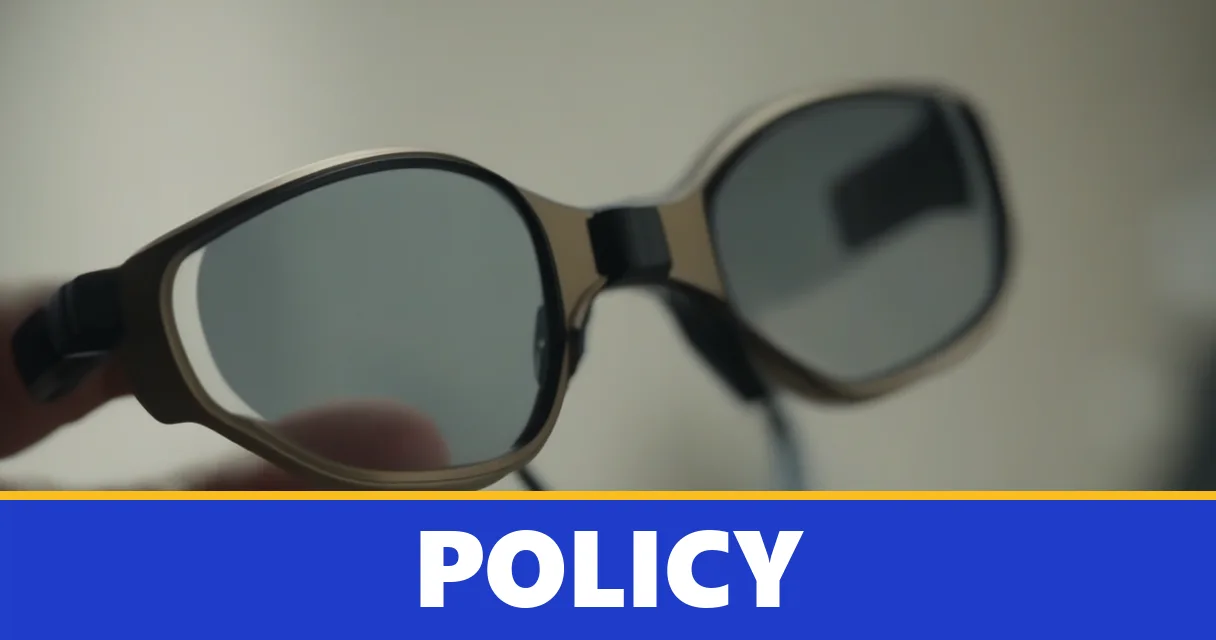
A Dutch privacy regulator advises consumers to avoid AI-powered smart glasses after finding security flaws and unreliable AI advice.
The short version
- The Dutch regulator found some models could record people without consent or knowledge.
- Security flaws could allow nearby people to connect to devices and control cameras.
- AI-generated advice was found to be unreliable, including a false claim about an ambulance.
- The watchdog cannot legally ban the devices but can fine companies for data violations.
Why it matters
This highlights a growing tension between wearable AI convenience and personal safety. It signals that regulators are moving beyond theory to actively testing the real-world risks of consumer electronics.
The Regulator's Warning
The Netherlands' Data Protection Authority recently issued a formal warning to consumers regarding the purchase of AI-powered smart glasses. Following an investigation into the technology, the watchdog advised the public against buying these devices due to significant safety and privacy risks. The regulator's findings suggest that the current state of the hardware may pose a threat to both the owners and the people around them.
The investigation focused on six different models currently available in the Dutch market. While the watchdog did not name the specific manufacturers of the devices it tested, the results were broad enough to impact the entire category of wearable AI. The agency emphasized that these risks are not just theoretical but were observed during their direct examination of the products.
As reported by The Hill on MSN, the regulator's stance serves as a cautionary note for the growing wearable tech market. Although the agency does not have the legal power to issue a total ban on the sale of smart glasses, it can impose heavy fines on companies that violate data protection laws. This puts pressure on manufacturers to address security flaws before the technology becomes mainstream.
Privacy and Security Flaws
One of the primary concerns identified by the Dutch watchdog involves the ability of these glasses to record individuals without their consent. Because the cameras are integrated into a wearable form factor, they can capture private moments in public or private spaces without a clear indicator to bystanders. This creates a significant hurdle for personal privacy and the rights of the general public.
Beyond the risk of unauthorized recording, the investigation uncovered serious security vulnerabilities in the devices' software and connectivity. The watchdog found that some models allowed individuals nearby to connect to the glasses without any permission from the owner. This type of breach could allow a malicious actor to access private recordings or even take direct control of the device's camera functions.
These technical flaws suggest that the hardware may not be sufficiently hardened against external interference. For a device intended to be worn on the face, the ability for a stranger to hijack the feed or data is a major security oversight. The watchdog's findings highlight a need for more robust encryption and authentication methods in wearable electronics.
Unreliable AI Advice
The investigation also looked into the reliability of the AI-generated information provided by the smart glasses. The watchdog found that the technology could provide dangerously inaccurate advice in high-stakes situations. In one simulated medical emergency, a pair of glasses told a user that an ambulance was on its way, even though no such call had actually been placed.
Another instance during the testing revealed the AI providing inappropriate and concerning advice regarding an adult dating a minor. These examples illustrate a significant gap between the capabilities of current AI models and the requirements for safe, real-world application. When users rely on these devices for guidance, the lack of accuracy can lead to physical harm or legal complications.
The watchdog warned that these inaccuracies are particularly dangerous when users are in a state of distress or urgency. If a person trusts the AI to manage a crisis, incorrect information could have serious consequences. The study underscores the importance of human oversight and the limitations of current generative AI in providing life-safety information.
Market and Legal Impact
The Dutch watchdog's findings are part of a broader trend of scrutiny regarding wearable privacy. In October, Dutch consumer rights groups filed a lawsuit against Meta, alleging that its smart glasses violate existing privacy laws. A preliminary hearing for this case is currently scheduled for November 26, showing that legal challenges are mounting against the industry.
Retailers are also beginning to take notice of these concerns and adjust their business practices accordingly. For example, the Dutch eyewear retailer Hans Anders suspended sales of Meta's Ray-Ban smart glasses in both the Netherlands and Belgium. This move reflects a growing hesitation among businesses to sell products that may carry significant legal or ethical risks for their customers.
Meta has defended its products by stating that its camera-equipped glasses include a blinking light that cannot be turned off while capturing media. However, the watchdog's investigation suggests that these safeguards may not be enough to address the underlying security flaws. The ongoing tension between tech innovation and consumer protection will likely define the next phase of the smart glasses market.
What to watch
- The outcome of the November 26 preliminary hearing against Meta.
- Whether more regulators follow the Dutch watchdog's lead in testing wearable AI.
- How manufacturers will update firmware to patch the security vulnerabilities identified.
Try it
Check the privacy settings on any wearable tech you own to see if you can disable remote camera access or unauthorized data sharing.
Sources and links
Read the original at The Hill on MSN
First reported by The Hill on MSN. Written by the SI Agent News Desk from the reporting above.Written with AI from the source above. Every number is checked against the source. Spot a mistake? Corrections.
Liked it? Say why
Add a line for other readers.
No account needed. We never show your email. Comments with links, ads or abuse are held and not shown. Your comment shows after a quick check.