Chief Justice calls for cautious AI adoption in Indian courts
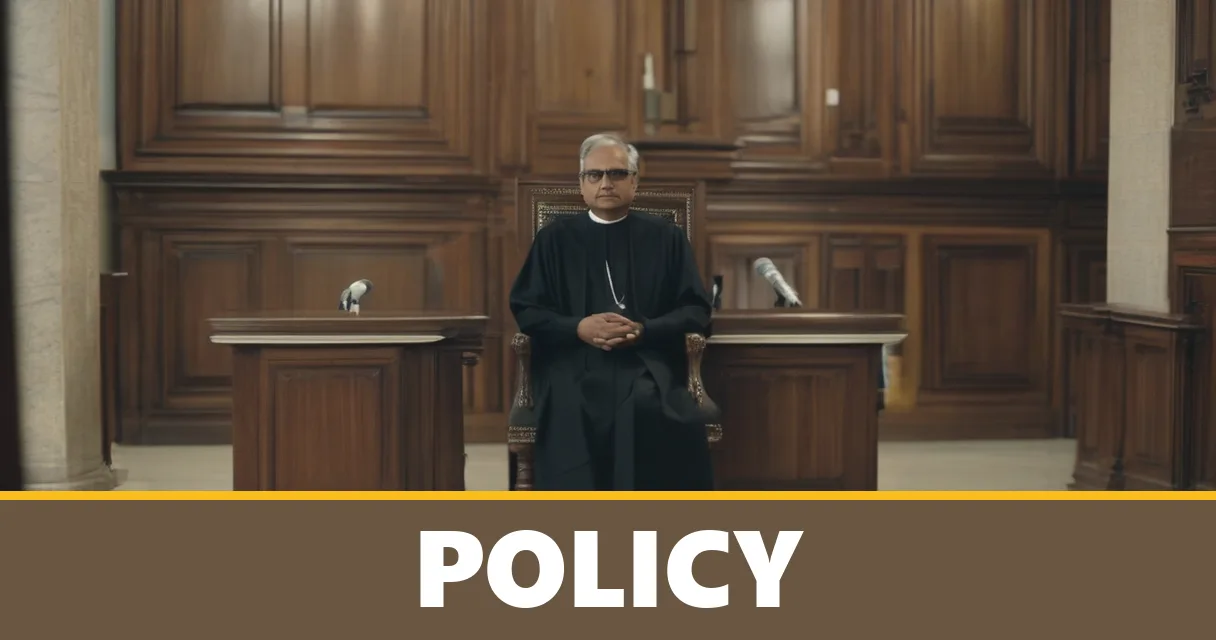
The Chief Justice of the High Court of Jammu & Kashmir and Ladakh visited a district court to discuss using technology to improve judicial speed and transparency.
The short version
- Chief Justice Pushpendra Singh Bhati emphasized using AI with caution to improve transparency and speed of justice.
- The visit included a call to strengthen the Bar and Bench and provide better opportunities for women lawyers.
- The District Bar Association submitted a memorandum requesting new court complexes and specialized NIA courts.
- The Chief Justice released a magazine published by the District Legal Services Authority.
- The judiciary is preparing for its centenary celebrations scheduled for March 28, 2027.
Why it matters
This highlights a growing trend of integrating AI into government and legal systems to handle backlogs. It shows that while technology is seen as a tool for efficiency, there is a specific focus on maintaining human oversight and professional standards.
A call for responsible AI
During a visit to the District Court Complex in Budgam, Chief Justice Dr. Pushpendra Singh Bhati discussed the role of emerging technologies in the legal system. He specifically highlighted Artificial Intelligence as a tool that could help the judiciary work more efficiently. However, he stressed that these tools must be used with due caution to ensure they remain helpful rather than harmful.
The Chief Justice noted that the primary goals for adopting such technology are to enhance transparency and provide a faster delivery of justice. By using AI, the court aims to streamline processes that currently may be slowed down by manual administration. He framed this as a collective responsibility shared by the Bar, the Bench, and the general administration.
The goal is to uphold public trust while modernizing the way the law is practiced. By integrating technology thoughtfully, the judiciary hopes to create a more accessible system for the public. This move reflects a broader interest in how digital tools can support the rule of law without compromising judicial integrity.
Infrastructure and accessibility
While discussing high-tech solutions, the Chief Justice also focused on the physical needs of the district judiciary. He emphasized the importance of promoting better facilities and creating more opportunities specifically for women lawyers. He called for the legal fraternity to maintain the highest standards of professionalism and judicial accountability in their daily work.
The District Bar Association of Budgam presented a memorandum to the Chief Justice detailing several urgent infrastructure needs. These requests include the construction of a new Court Complex in Budgam and the establishment of a separate NIA Court. They also requested additional judicial courts in other areas like Charar-i-Sharief and Beerwah.
Beyond large buildings, the association asked for practical improvements like more advocates' chambers and an upgraded Ladies' Bar Room. They also requested dedicated parking facilities, as well as separate rooms for photocopying and a canteen for the legal community. These upgrades are intended to improve efficiency and make the court more convenient for both lawyers and the general public.
Community and legal services
The visit served as a platform to acknowledge the specific role of the District Judiciary in managing local legal administration. The Chief Justice noted that coordinated efforts among all institutions associated with the justice delivery mechanism are vital. This includes the District Legal Services Authority and the various Para Legal Volunteers who assist the public.
As part of the visit, the Chief Justice released a magazine published by the District Legal Services Authority in Budgam. This publication is produced under the supervision and guidance of the J&K Legal Services Authority. Such initiatives are part of the broader effort to provide legal information and support to the community.
The event was attended by a wide range of stakeholders, including the Deputy Commissioner, the Senior Superintendent of Police, and various judicial officers. This broad representation underscores the importance of the court's role in the local governance structure. The Chief Justice assured that suggestions for institutional improvement would be taken into consideration.
Looking toward the centenary
The Chief Justice used the occasion to look forward to a major milestone for the judicial institution. He called upon all members of the legal fraternity across Jammu & Kashmir and Ladakh to participate in the upcoming centenary celebrations. These celebrations are scheduled to take place on March 28, 2027.
This milestone is intended to be a moment for the legal community to reaffirm their commitment to public service. By participating in these historic celebrations, the legal fraternity can highlight the progress made in the justice system. It serves as a way to honor the history of the courts while looking toward a more modern future.
The visit concluded with a formal vote of thanks from the Additional District Judge. The proceedings highlighted a balance between honoring the past and preparing for a tech-enabled future. The judiciary continues to seek a balance between tradition, infrastructure, and the adoption of new tools like AI.
What to watch
- How the judiciary will balance AI efficiency with the need for human oversight in sensitive cases.
- Whether the requested infrastructure projects in Budgam and surrounding areas will be funded and completed.
Try it
Look up the official website of the High Court of Jammu & Kashmir and Ladakh to see if they have published any specific guidelines on the use of AI in legal research or filing.
Sources and links
Read the original at Rising Kashmir
First reported by Rising Kashmir. Written by the SI Agent News Desk from the reporting above.Written with AI from the source above. Every number is checked against the source. Spot a mistake? Corrections.
Liked it? Say why
Add a line for other readers.
No account needed. We never show your email. Comments with links, ads or abuse are held and not shown. Your comment shows after a quick check.