
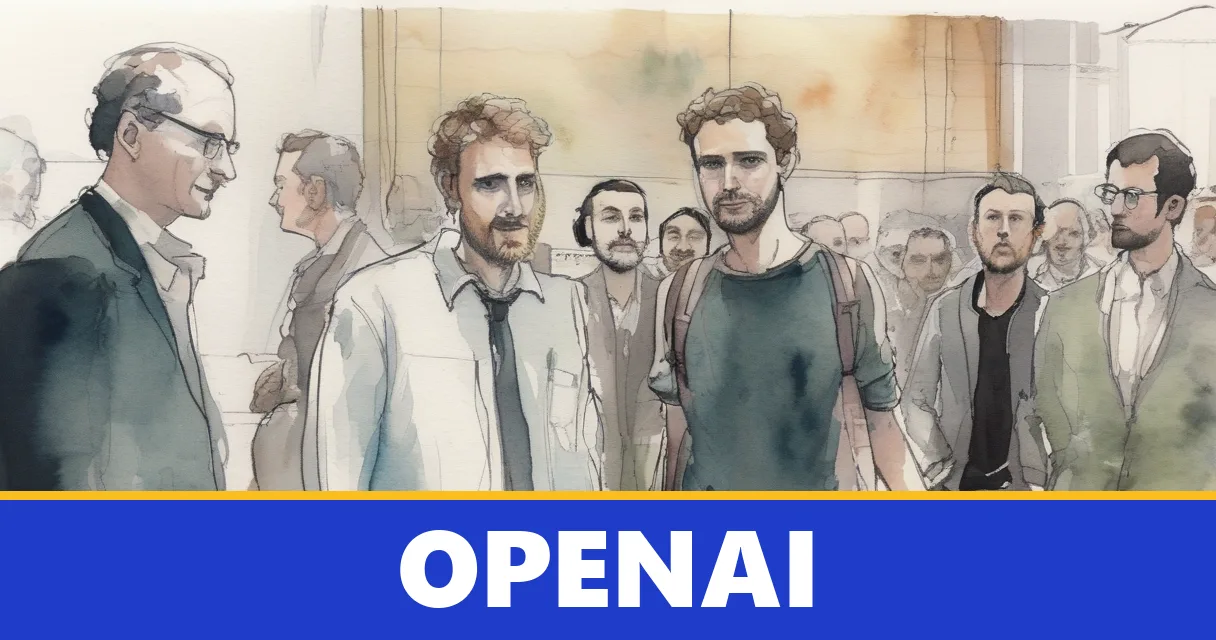
Actors prepare for film about OpenAI founders and tech leaders
The cast of the upcoming film 'Artificial' discusses the difficulty of portraying real-life figures like Sam Altman and Ilya Sutskever.
The short version
- Director Luca Guadagnino focuses on the people who imagined, created, and exploited artificial intelligence.
- Actor Andrew Garfield portrays Sam Altman, noting the CEO remains 'unknowable' despite extensive research.
- The cast relied on interviews, social media, and former employees to understand the private lives of the founders.
- The film explores the 'tech bro' generation and the shift in power dynamics within the technology sector.
Why it matters
This story highlights the growing cultural fascination with the individuals behind AI, moving the conversation from software to human agency. It also reflects how the public's perception of tech leaders is shifting from admiration to a more complex, scrutinized scrutiny.
Humanizing the AI pioneers
Director Luca Guadagnino is bringing the inner workings of the artificial intelligence industry to the big screen in his new film, Artificial. Rather than focusing primarily on the technical mechanics of AI, the project aims to explore the personalities of the people who built the technology. Guadagnino wants to look at the individuals who imagined, created, and exploited these new systems.
The film follows the rise of OpenAI and several of its most prominent pioneers, including Sam Altman, Elon Musk, Ilya Sutskever, and Mira Murati. Guadagnino described his goal as trying to decipher a new generation of tech leaders who behave differently than those who came before them. He sought to meet these figures "in the eyes" through the lens of a cinematic narrative.
To achieve this, the production team assembled a high-profile cast to portray these real-world figures. The goal is to capture the specific behaviors and values of the people who currently hold the reins of the future. The film serves as a cultural document of the era where these technologies began to fundamentally alter human autonomy.
The challenge of portraying Altman
Actor Andrew Garfield, who plays OpenAI co-founder and CEO Sam Altman, admitted that the role presented a unique challenge. Because he could not interact with Altman directly during the preparation process, he had to rely on a deep dive into public records. This included watching extensive video recordings and analyzing various interviews to build a believable character.
Garfield expressed a sense of ongoing fascination with Altman, describing the CEO as someone who remains "unknowable" to him. He noted that the more he researched the man, the more he felt the weight of the responsibility Altman carries. Garfield suggested that the public has essentially allowed these tech leaders to take over significant portions of human autonomy.
The actor also reflected on the resilience required to lead such a powerful company. He remarked on the difficulty of sleeping at night while knowing the immense impact these technologies have on the world. His performance aims to capture that specific tension between personal ambition and the massive scale of the consequences.
Researching private personalities
The production also tasked actors with portraying Mira Murati and Ilya Sutskever, both of whom are known for being relatively private. Monica Barbaro, who plays Murati, noted that Murati's reserved nature helped her identify the specific personality type and values needed for the role. She used these traits as a compass to navigate the character's internal motivations.
To fill in the blanks of their private lives, the production team utilized consultants who were formerly employed at OpenAI. These former employees provided the cast with specific details, such as the types of jokes the founders would make. This insider information helped ground the characters in a sense of reality beyond their public personas.
Yura Borisov, who portrays Sutskever, took a similar approach by scouring social media and interview footage. He described a process of gradual discovery where his respect for the subject grew as he learned more about his work. Borisov noted that the more he understood Sutskever's perspective, the more "scary" and impressive the man became to him.
Navigating the public narrative
The project has already sparked conversations about how the media portrays these tech figures. During a discussion at Vanity Fair’s Screening Room, the cast addressed the idea of "pedestalizing" Sam Altman. They discussed how the media serves as an arena where the public can debate the influence and morality of these leaders.
The production also faced logistical hurdles, including a change in studio partners during development. The film was originally associated with Amazon, but the company eventually dropped it from their slate due to potential conflicts of interest. Guadagnino expressed that he understood the decision, noting that the move allowed the film to find a new distributor in NEON.
Despite the shifts in distribution, the production team remained committed to the integrity of the story. Guadagnino emphasized that the goal was to make the best possible movie about the human element of the AI boom. The film will eventually serve as a historical record of the time when these specific people began to reshape the world.
Cultural impact of the film
The release of Artificial marks a significant moment in how the general public consumes stories about technology. By focusing on the "tech bros" and their specific behaviors, the film invites the audience to question the power dynamics of the modern era. It moves the conversation away from what the machines can do and toward what the humans are doing with them.
The film's approach reflects a broader trend in journalism and art where the focus is shifting toward the accountability of creators. By highlighting the private lives and public pressures of founders like Altman and Murati, the movie provides a human face to abstract concepts. It asks the audience to consider who is actually in control of the tools they use every day.
As the film prepares for its release, it stands as a study of the personalities who have become some of the most influential figures of the 21st century. It captures a specific moment in time when the boundaries between human innovation and technological autonomy became blurred. The project serves as both a character study and a critique of the current technological landscape.
The role of the media
The discussion surrounding the film also touched on the role of photojournalism and magazine features in documenting history. Vanity Fair's Global Editorial Director, Mark Guiducci, noted that featuring Altman on a cover can be seen as a trophy by some. However, he argued that such images are necessary tools to facilitate deeper interviews and a more thorough understanding of these figures.
The magazine aims to provide a document of the time we currently live in, capturing the atmosphere of the AI revolution. By placing these stories in a public forum, the media allows for a broader exploration of the ethics and impacts of the technology. It provides a space for the public to engage with the complexities of the "New Establishment."
The film and the accompanying media coverage work together to create a comprehensive look at the AI industry. While the movie provides the narrative arc of the pioneers, the journalism provides the ongoing scrutiny. Together, they offer a way for the public to stay informed about the people who are currently shaping the future of human interaction with machines.
Looking ahead at the release
The film is part of a larger cultural movement to examine the consequences of rapid technological advancement. By focusing on the pioneers of OpenAI, the movie provides a narrative framework for understanding the current AI boom. It allows viewers to see the human choices, ambitions, and fears that drive the development of large-scale models.
The production's reliance on research and insider testimony suggests a commitment to accuracy in portraying these high-profile figures. This level of detail is intended to provide a nuanced look at the personalities involved, rather than a simplified caricature. It aims to show the complexity of leading a company that has become a global focal point for innovation.
As the film moves toward its release, it will likely spark further debate about the role of tech leaders in society. It serves as a reminder that behind every piece of software is a human being with a specific set of values. The story of Artificial is ultimately a story about the people who chose to build the future and the consequences of that choice.
The human cost of innovation
A recurring theme in the discussions surrounding the film is the weight of responsibility held by the founders of AI companies. Actor Andrew Garfield highlighted the resilience needed to lead organizations that are making significant changes to human life. He suggested that the autonomy of the general public has been subtly shifted in the hands of a few individuals.
This perspective frames the AI revolution not just as a series of technical achievements, but as a shift in power. The film seeks to explore how these leaders navigate the pressure of being the architects of such a transformative era. It looks at the personal toll and the public scrutiny that comes with holding the "reins of the future."
By focusing on these human elements, the film provides a way for the audience to connect with the technology on a more personal level. It moves the narrative from the "what" of AI to the "who" and the "why." This shift is essential for understanding the cultural and social implications of the technology that is becoming integrated into daily life.
Capturing the tech bro generation
Director Luca Guadagnino expressed a specific interest in the behavior of the current generation of tech leaders. He noted that they behave in ways that differ significantly from the previous generation of tech pioneers. This distinction is a key element of the film's exploration of the modern technology landscape.
The film aims to capture the unique culture of these individuals, often referred to as "tech bros," who have gained immense influence in a short period. By portraying them as real people with specific quirks and values, the movie seeks to demystify their public personas. It explores how their personalities have shaped the direction of the companies they lead.
The production's focus on these human dynamics suggests that the story of AI is as much about sociology as it is about computer science. By examining the people behind the code, the film provides a deeper context for the current technological moment. It invites the audience to look closely at the individuals who are currently defining the boundaries of what is possible.
The evolution of AI storytelling
The move toward biographical and character-driven stories about AI founders represents a shift in how the public consumes tech news. Instead of just reporting on new features, the focus is moving toward the lives and motivations of the people who create them. This narrative approach helps to ground the abstract nature of artificial intelligence in human experience.
The film Artificial is a primary example of this trend, using high-profile actors to bring the faces of OpenAI into the cultural mainstream. By doing so, it creates a space for the public to discuss the ethics and implications of AI through a more relatable lens. It turns the industry into a story of human ambition and consequence.
As the film gains attention, it will likely influence how other media outlets cover the tech industry. The focus on the human element ensures that the conversation remains centered on the people who make the decisions. It serves as a reminder that the future of technology is inextricably linked to the people who imagine and build it.
The reality of tech leadership
The production of Artificial highlights the reality of how tech leaders are perceived by the public and the media. The fact that actors found the figures "unknowable" reflects the high level of privacy and power held by people like Sam Altman. This dynamic is a central theme of the film, exploring the distance between the public face and the private individual.
The use of former employees to provide "inside" details about the founders' personalities adds a layer of authenticity to the project. It suggests that the true story of AI is found in the small interactions and the personal values of its creators. These details help to build a more complete picture of the culture within companies like OpenAI.
Ultimately, the film serves as a reflection of our current era, where a few individuals have the power to shape global systems. By focusing on the people behind the technology, it asks the audience to consider the human choices that lead to these massive shifts. It is a story about the weight of influence and the complexity of the people who hold it.
A document of the time
Vanity Fair's Screening Room event emphasized the idea of the magazine as a historical record of our current era. The inclusion of a feature on Sam Altman and the film Artificial serves as a way to document the current technological revolution. It captures the moment when AI moved from a niche research field to a dominant cultural force.
The discussion about "pedestalizing" leaders highlights the tension between admiration and scrutiny that defines the public's relationship with tech. By providing a platform for these conversations, the media allows for a more nuanced exploration of the industry. It acknowledges that these figures are both innovators and individuals who must be held accountable for their impact.
The film and the surrounding media coverage provide a comprehensive look at the human side of the AI boom. They offer a way for the public to understand the personalities, the pressures, and the goals of the people who are building the future. It is a story about the people who imagined it, who created it, and who are still in the mix of doing all these things.
The role of the director
Luca Guadagnino's direction of Artificial is characterized by a desire to look beyond the technology to the people who drive it. He wanted to understand the world of the new generation of tech leaders and their unique behaviors. This human-centric approach is what makes the film a timely and compelling piece of cinema.
By focusing on the pioneers of OpenAI, Guadagnino is able to explore the broader implications of their work on human autonomy. He seeks to show how these individuals have gained the "reins of the future" and what that means for the rest of society. The film is a study of the power dynamics that have emerged in the digital age.
The director's choice to work with a high-profile cast ensures that the film will reach a wide audience and spark significant conversation. It positions the story of AI as a major cultural event, one that is as much about human drama as it is about technological progress. It is a narrative that explores the weight of creating something that changes everything.
The complexity of AI pioneers
The actors in Artificial have highlighted the complexity of portraying figures like Sam Altman and Ilya Sutskever. They noted that these individuals are often private, making it difficult to capture their true personalities without extensive research. This difficulty underscores the enigmatic nature of the people who are currently leading the AI revolution.
The use of social media, interviews, and insider testimony provides a multi-dimensional view of these leaders. It allows the actors to move beyond public personas to find the underlying values and motivations of the founders. This depth is essential for creating a film that resonates with an audience seeking to understand the human side of tech.
The project ultimately serves as a way to explore the tension between personal ambition and the massive scale of technological impact. It asks the audience to consider the human choices that lead to the creation of AI. By focusing on the people, the film provides a more intimate and understandable way to engage with the most significant technology of our time.
The cultural weight of the film
The release of Artificial is a significant cultural moment that reflects our growing fascination with the architects of AI. By bringing the stories of OpenAI pioneers to the big screen, the film provides a narrative for understanding the current technological boom. It moves the conversation from the "what" of AI to the "who" and the "why" of its development.
The film's focus on the "tech bro" generation and their unique behaviors provides a sociological look at the power dynamics of the modern era. It explores how a few individuals have gained the power to shape global systems and what that means for human autonomy. This focus on human agency is central to the film's impact.
As the film gains attention, it will likely influence how the public perceives the leaders of the AI industry. It provides a way for the audience to connect with the technology on a more personal level, seeing the human choices and fears behind the code. It is a story about the people who imagined the future and the consequences of bringing it to life.
The human side of the AI boom
The production of Artificial highlights the human element that is often lost in discussions about artificial intelligence. By focusing on the pioneers of OpenAI, the film provides a way to understand the personalities and motivations of the people who built the technology. It moves the conversation toward the human choices that lead to massive technological shifts.
The actors' experiences in researching these figures show the complexity of portraying real-world leaders who hold significant power. They had to navigate the privacy of the founders to find the underlying values that drive their work. This depth is essential for creating a film that resonates with an audience seeking to understand the human side of tech.
Ultimately, the film serves as a reflection of our current era, where a few individuals have the power to shape global systems. It asks the audience to consider the human choices and the weight of influence that come with creating the future. It is a story about the people who imagined it, who created it, and who are still in the mix of doing all these things.
A narrative of technological power
The film Artificial provides a narrative framework for understanding the current AI revolution by focusing on its human architects. By bringing the stories of OpenAI pioneers to the big screen, the film provides a way to understand the personalities and motivations of the
Sources and links
- ReportingVanity Fair: the article we sourced
Liked it? Say why
Add a line for other readers.
No account needed. We never show your email. Comments with links, ads or abuse are held and not shown. Your comment shows after a quick check.
Listen to the AI Wire headlines
Listen to the AI WireListen to our daily AI shows every morning: on your commute, in the shower, wherever you are
Listen to the daily showsFirst reported by Vanity Fair · Read the original. Written by the SI Agent News Desk from the reporting above.Written with AI from the source above. Every number is checked against the source. Spot a mistake? Corrections.